
Civil Plumbing Regulations in Dubbo: What Developers and Builders Need to Know
Central West
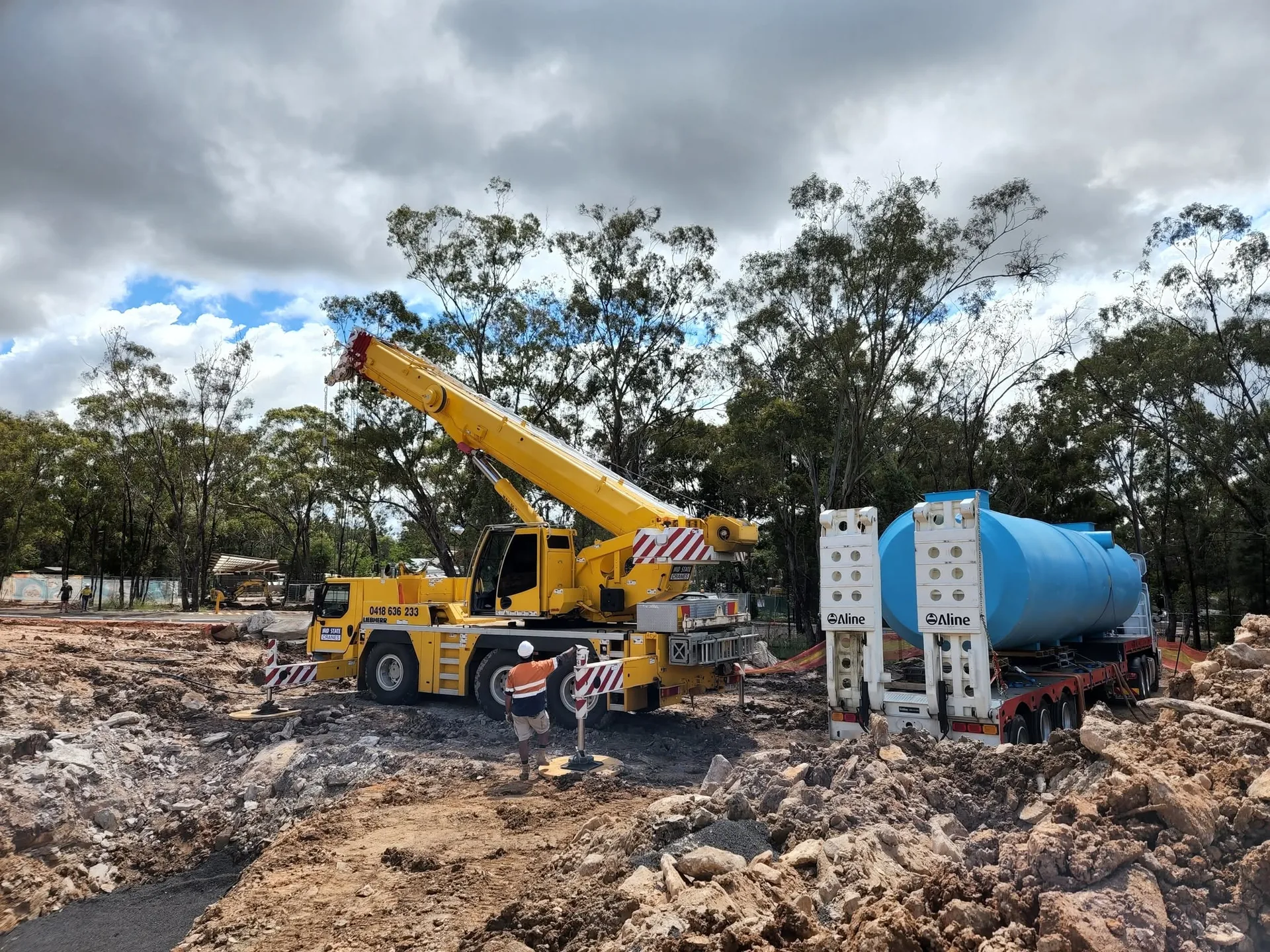
Civil plumbing compliance in Dubbo involves three levels of requirements: national plumbing standards, NSW legislation and local council approvals. Builders and developers need to understand which rules apply, who manages inspections and what documentation is required before work can be signed off. At Central West Plumbing & Civil Drainage, we help project teams navigate these obligations through civil plumbing in Dubbo.
Whether you're preparing a development application or working towards construction, compliance needs to be considered before excavation begins. Understanding the requirements early can help prevent failed inspections, unnecessary rework and delays to project completion.
Quick Answer: What Regulations Apply to Civil Plumbing Work in Dubbo?
Civil plumbing projects must satisfy national technical requirements, NSW plumbing legislation and any relevant Dubbo Regional Council approvals. Each layer serves a different purpose, and meeting one doesn't automatically mean you've satisfied the others.
The three main regulatory layers are:
- National: The National Construction Code (NCC), including the Plumbing Code of Australia and referenced AS/NZS 3500 standards, establishes technical requirements for plumbing and drainage installations.
- State: The NSW Plumbing and Drainage Act 2011 and Plumbing and Drainage Regulation 2017 establish obligations covering compliant work, notifications, inspections and certification.
- Local: Dubbo Regional Council administers relevant development conditions, local plumbing inspections and approvals involving its water and sewerage networks.
The builder or developer generally coordinates project approvals and programming, while the licensed plumbing contractor is responsible for the plumbing work they undertake and the associated statutory documentation. The precise responsibilities depend on the project and applicable approvals.
Which National Codes and NSW Laws Govern Civil Plumbing Work?
The National Construction Code provides the technical framework for building and plumbing work across Australia. Its Volume Three, the Plumbing Code of Australia, establishes performance requirements for plumbing and drainage systems, including sanitary drainage and water services.
The Plumbing Code references the AS/NZS 3500 series, which provides detailed requirements for plumbing and drainage installations. Relevant parts include AS/NZS 3500.1 for water services, AS/NZS 3500.2 for sanitary plumbing and drainage and AS/NZS 3500.3 for stormwater drainage. Applicable editions and amendments must be checked against the NCC and relevant NSW requirements.
For developers, these standards influence practical matters such as pipe installation, gradients, jointing, testing and system performance. Compliance isn't simply about selecting appropriate materials. The completed installation must also satisfy the applicable technical requirements.
At state level, the NSW Plumbing and Drainage Act 2011 and associated Regulation establish responsibilities for plumbing and drainage work. NSW requires appropriate licensing, while statutory requirements address matters such as notifying the regulator, arranging inspections and providing compliance documentation.
NSW Fair Trading provides licensing guidance, while Building Commission NSW performs regulatory functions in designated metropolitan areas. In regional NSW, plumbing inspection and enforcement functions are delegated to local councils and authorities. This distinction matters because projects in Dubbo follow local regulator arrangements rather than automatically using metropolitan inspection systems.
At Central West Plumbing & Civil Drainage, we work within the requirements of the NSW legislation, relevant building codes and council conditions. Our team also follows SafeWork NSW guidance when managing workplace safety obligations.
What Will Dubbo Regional Council Require Before and During Your Project?
Dubbo Regional Council has responsibilities both as a development consent authority and as the local water and sewerage service provider. Depending on the proposed works, you may need to address development consent conditions, plumbing and drainage approvals and separate requirements for connecting to Council infrastructure.
For example, Council's plumbing and drainage approval documentation covers work involving water supply, sanitary drainage and certain stormwater installations under Section 68 of the Local Government Act 1993. A development consent doesn't necessarily replace these separate approvals.
Council also provides an application process for new water and sewerage connections or changes to existing connections. Developers should establish whether their project requires a new connection, an alteration to existing services or additional infrastructure approvals before scheduling the relevant work.
Key matters to confirm with Council include:
- Applicable DA conditions and any separate plumbing or drainage approvals.
- Permission to connect to or modify Council's water and sewerage networks.
- Requirements for approved discharge and connection points.
- Inspection arrangements and documentation needed for acceptance.
These considerations are relevant to commercial buildings, aged care developments, subdivisions and industrial facilities, where several services may need to coordinate with existing infrastructure.
Stormwater also requires appropriate consideration, particularly where discharge arrangements affect surrounding properties. For more on infrastructure design and local flooding, read our guide to stormwater flooding in Dubbo.
What Inspections Are Required, and Who Carries Them Out?
Civil plumbing inspections confirm that work meets applicable requirements before critical components become concealed or systems are put into service. In regional NSW, the relevant local plumbing regulator carries out statutory inspection functions, while the contractor conducts its own quality checks and testing.
According to NSW Government guidance, inspections are generally required at points such as completion of drainage work before backfilling, sewer connection work before covering and final completion before occupation. The local regulator should confirm the exact inspection requirements for each project.
This distinction is important. A contractor's internal inspection supports workmanship and quality control, but it doesn't automatically replace a mandatory regulatory inspection.
At Central West Plumbing & Civil Drainage, our inspection procedures include checking pipe alignment, joint integrity and the correct depth of buried infrastructure before trenches are backfilled. Completed systems are pressure tested and flow tested where applicable, with results recorded.
Our on-site supervisor also inspects the worksite daily and documents the process. These records help maintain oversight and provide supporting information when questions arise about installation quality.
What Paperwork Is Needed for Compliance Sign-Off?
The NSW Government identifies several important plumbing and drainage documents:
- Notice of Work: Submitted by the plumber or drainer to the local plumbing regulator before relevant work begins.
- Certificate of Compliance: Completed by the responsible plumber or drainer to confirm that the work complies with applicable requirements, with copies provided as required.
- Sewer Service Diagram: Records the location of relevant private sewer drainage and is supplied to the required parties.
- Inspection and testing records: Support verification that installations have been checked and tested appropriately.
Project-specific documentation may also include as-built drawings, test results and inspection sign-offs. We retain these records to support future maintenance and council compliance requirements.
For example, if underground drainage is backfilled before a required inspection, the contractor may need to arrange further assessment or expose the installation again. Coordinating inspection points with the construction program helps avoid this situation.
What Happens if Civil Plumbing Work Doesn't Comply?
Non-compliant plumbing work can result in rectification requirements, additional inspections and construction delays. Depending on the breach and the regulator's powers, formal directions or penalties may also apply.
A defect identified before backfilling may be relatively straightforward to address. Once infrastructure is covered, however, correcting the same issue can involve excavation, removal of installed materials and reinstatement.
Non-compliance can also affect other trades and project milestones. Delayed plumbing approval or missing documentation may hold up subsequent work, final inspections or occupation-related sign-off.
NSW regulators can issue directions requiring defective work to be corrected. Penalties may apply for certain legislative breaches, but paying a penalty doesn't remove the obligation to rectify non-compliant work.
Before work begins, project teams should confirm these five essentials:
- The plumbing contractor holds the appropriate NSW licence for the work.
- Relevant DA conditions and separate approval requirements have been reviewed.
- Water, sewerage and other required connection approvals are addressed.
- Mandatory inspection points are identified and booking responsibilities are clear.
- Testing, certificates and as-built documentation are included in the project plan.
Licensing is only one part of choosing a civil plumbing contractor. Effective supervision, testing and documentation also contribute to a compliant outcome.
Talk to Central West Plumbing & Civil Drainage Before Work Begins
Civil plumbing compliance is easier to manage when regulatory requirements, approvals and inspection responsibilities are understood before construction starts. Establishing these obligations early gives project teams a clearer basis for scheduling work and managing documentation.
At Central West Plumbing & Civil Drainage, we hold NSW Licence No. 275195C and ISO 9001 certification. Our experience includes projects such as Kintyre Retirement Village, RSL LifeCare Dubbo and the Mindyarra Rail Maintenance Facility. We provide specialist advice on legislative and regulatory matters and assist clients in navigating council approval requirements.
For advice about civil plumbing compliance in Dubbo, contact our team to find out more about civil plumbing in Dubbo. Call 0419 688 435 to talk through the approvals and compliance requirements for your project before work begins.
FAQs
Who Is Responsible for Plumbing Compliance: The Builder or the Plumber?
Both have responsibilities, but they aren't identical. The licensed plumber is responsible for the compliance of plumbing work they undertake and the required plumbing documentation. Builders and developers generally coordinate broader project approvals, access and scheduling obligations.
Do Civil Plumbing Works Need Council Approval in Dubbo?
Many projects require Council involvement, particularly where plumbing and drainage approvals or connections to Council infrastructure are involved. Requirements depend on the proposed work and existing development consent. Confirm the applicable approvals with Dubbo Regional Council before starting.
What Is a Plumbing Certificate of Compliance and Who Issues It?
A Certificate of Compliance is completed by the responsible licensed plumber or drainer to confirm that the work complies with applicable legislation and technical requirements. It must be provided to the relevant parties in accordance with NSW requirements.
Can Non-Compliant Work Be Fixed After It's Been Backfilled?
Yes, but rectification may require excavation or exposing previously covered infrastructure. The regulator may require further inspection or evidence that the defect has been corrected. Identifying problems before backfilling can reduce unnecessary rework.
Which Australian Standard Covers Stormwater and Sewer Drainage?
AS/NZS 3500.3 addresses stormwater drainage, while AS/NZS 3500.2 covers sanitary plumbing and drainage. Both form part of the broader AS/NZS 3500 series referenced by the Plumbing Code of Australia, subject to applicable editions and regulatory requirements.