
How Civil Plumbing Infrastructure Protects Dubbo from Stormwater Flooding
Central West
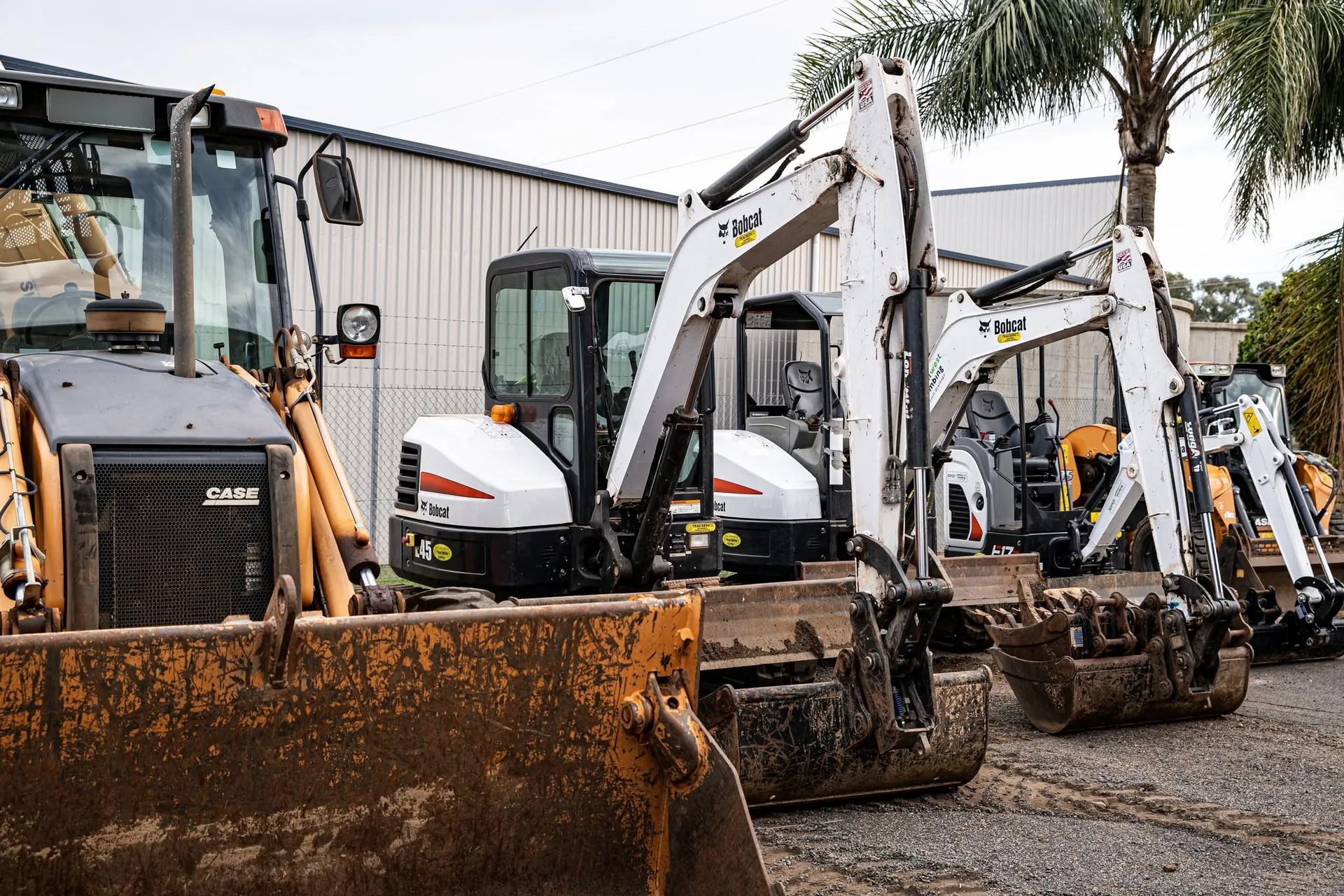
Preventing stormwater flooding in Dubbo starts with controlling where rainwater flows, how quickly it leaves a site and what happens when the ground becomes saturated. Properly designed drainage, stormwater detention and sub-soil systems help protect buildings, roads and surrounding properties from uncontrolled runoff.
For developers and landowners, these systems work best when they form part of the original site design, rather than becoming an expensive addition after construction.
Quick answer — how does civil plumbing infrastructure reduce stormwater flooding in Dubbo?
Civil plumbing infrastructure reduces localised flooding by collecting runoff, directing it through appropriately sized drainage systems and managing how water leaves a development. A complete approach may include:
- Stormwater pipes and pits: Collect and convey runoff from roofs, roads and paved areas.
- Detention systems: Temporarily store excess runoff before releasing it at a controlled rate.
- Retention and reuse systems: Hold collected water for suitable uses rather than immediately discharging it.
- Sub-soil drainage: Manage excess water within the ground where site conditions require it.
- Approved discharge connections: Direct stormwater towards suitable receiving infrastructure.
These measures work together, but they cannot eliminate every flood risk. River flooding, extreme rainfall and overland flow may exceed the capacity of an individual property's drainage system. Stormwater management therefore needs to consider both the development itself and the wider catchment.
Why are Dubbo development sites vulnerable to stormwater flooding?
Dubbo includes areas of relatively flat terrain and land associated with the Macquarie River floodplain. During heavy rainfall, water may accumulate where ground levels, drainage capacity or downstream conditions restrict its movement.
How Do Hard Surfaces Increase Runoff?
Undeveloped ground may absorb some rainfall, depending on soil conditions and how saturated it already is. When construction introduces roofs, driveways, roads and car parks, more rainfall runs across hard surfaces instead of infiltrating into the ground. Without appropriate drainage, this runoff can collect around buildings, flow across neighbouring properties or overwhelm local collection points.
Why Do Soil Conditions and Site Levels Matter?
Some clay-rich soils absorb water slowly, while saturated ground has limited capacity to take in additional rainfall. Relatively flat sites can also have insufficient natural fall to move water towards an appropriate outlet.
This makes site grading and hydraulic design particularly important. Levels established during civil earthworks influence where runoff travels, so drainage planning should be coordinated with the proposed earthworks.
What Should Developers Check Before Design?
A practical pre-design review should establish:
- Where stormwater currently enters and leaves the property
- Existing overland flow paths and low points
- Proposed roof, pavement and other hard-surface areas
- Soil conditions and any groundwater concerns
- Existing drainage infrastructure and its condition
- The available, legally approved discharge point
- Potential detention, retention or reuse requirements
- Relevant flood planning constraints and easements
These details help the design team identify risks before building footprints, road levels and drainage routes become difficult to change.
How do stormwater retention and controlled discharge stop water leaving your site too fast?
Stormwater infrastructure must do more than remove water from a property quickly. It may also need to limit the rate at which runoff enters downstream drainage systems.
What Is On-Site Stormwater Detention?
On-site stormwater detention temporarily holds runoff during rainfall and releases it through a controlled outlet. Depending on the development, this may involve a detention tank, basin or another engineered storage arrangement.
The objective is to manage discharge rates so the development doesn't unnecessarily increase pressure on receiving infrastructure. The required storage volume and discharge arrangement depend on hydraulic calculations and the applicable approval conditions.
How Is Retention Different From Detention?
Detention generally stores water temporarily before controlled release. Retention holds water for a longer period, potentially allowing reuse for suitable purposes.
For example, captured stormwater might form part of an approved landscape irrigation arrangement, provided the system meets relevant design and water-quality requirements.
A retention system should not be assumed to provide the same flood-control performance as a dedicated detention system. Available storage and operating conditions matter.
Why Does Pipe Sizing Matter?
Hydraulic design considers how much runoff the site generates and how the drainage network should convey it. Engineers assess pipe sizes, pits, gradients, discharge locations and storage requirements together.
Undersized infrastructure can contribute to ponding and overflow. Oversized or unnecessarily complex systems, meanwhile, can increase excavation, material costs and the space required on-site.
For subdivisions and roadworks, civil drainage infrastructure such as drainage lines, pits and precast or cast-in-situ manholes helps manage runoff within the wider development.
CWPCD's work includes stormwater discharge, retention and reuse design, along with drainage installation. Planning these elements together helps reduce costly variations once construction begins.
What does sub-soil drainage do, and when does a site need it?
Surface drainage manages rainwater flowing over roofs, pavements and land. Sub-soil drainage addresses excess water within the ground. Both may be needed where groundwater or subsurface moisture affects the performance of a development.
How Does Sub-Soil Drainage Work?
Sub-soil systems may use appropriately designed perforated agricultural drains, drainage aggregate and suitable outlets to collect and convey excess water. These systems can help manage moisture around pavements, retaining structures and other areas where groundwater accumulation creates problems. They are not a substitute for properly designed surface drainage or flood protection.
Which Sites May Need It?
Sub-soil drainage may be considered where investigations identify:
- Persistent groundwater or seepage
- Water accumulating beneath pavements
- Saturated ground affecting road construction
- Moisture collecting behind retaining structures
- Site conditions that require controlled subsurface drainage
Not every development needs an extensive sub-soil network. Soil investigations, groundwater conditions and the proposed structures determine the appropriate approach.
Why Is Early Design More Practical?
Installing drainage before slabs, roads and paved areas are completed generally provides better access for excavation and pipe placement. Retrofitting the same infrastructure later may require removing finished surfaces, disrupting other services and changing site levels. This is one reason stormwater design should be coordinated with structural, civil and hydraulic planning from the beginning.
What will Dubbo Regional Council look for in your stormwater design?
Stormwater requirements depend on the development type, property constraints and relevant approval pathway. Dubbo Regional Council may require evidence that a proposal manages runoff appropriately and connects to an acceptable discharge point.
What Documentation Might Be Required?
Depending on the project, supporting information may include:
- Stormwater and hydraulic design drawings
- Drainage layouts, pipe sizing and pit locations
- Detention or retention calculations where applicable
- Proposed discharge arrangements
- Relevant flood-related assessments
- Inspection, testing and completion records
- As-built drawings documenting the installed infrastructure
Designers should check the applicable council requirements and consent conditions rather than assuming every project needs identical documentation. The broader framework includes the National Construction Code, relevant provisions of AS/NZS 3500.3 and applicable NSW planning and engineering requirements.
Why Do Installation Checks Matter?
A drainage design only performs as intended when the installed system follows the approved specifications. CWPCD's documented practices include checking pipe alignment, joint integrity and installation depth before trenches are backfilled.
The business also undertakes applicable pressure testing and flow verification, retaining inspection sign-offs, test records and as-built drawings for maintenance and compliance purposes. These checks can identify installation problems while access remains available.
What Experience Should You Look For?
Central West Plumbing & Civil Drainage works across small lot divisions, larger subdivisions, roadworks, government projects and commercial developments. Our experience includes projects associated with Kintyre Retirement Village, RSL LifeCare Dubbo and Club Dubbo.
Founded by Tim Connolly, who began working in plumbing in 2005, we also hold ISO 9001 certification. For developers choosing a civil plumbing contractor, experience with both design coordination and installation is worth considering.
Effective stormwater management starts before construction. Understanding site levels, runoff, soil conditions, storage requirements and approved discharge arrangements helps reduce localised flooding risks and avoid costly redesign.
If you're planning a subdivision, commercial build or infrastructure upgrade and want to address stormwater flooding in Dubbo early, speak with Central West Plumbing & Civil Drainage about your site.
Explore our civil plumbing in Dubbo services or contact the team. Call 0419 688 435 to talk through your stormwater design requirements.
Frequently Asked Questions
Does a Small Lot Subdivision Need On-Site Stormwater Detention?
It depends on the proposed development, runoff calculations, existing infrastructure and council requirements. A hydraulic assessment can establish whether detention is necessary and how it should be designed.
Can an Existing Stormwater System Be Upgraded Instead of Replaced?
Sometimes. The existing system's condition, capacity, alignment and discharge arrangements need assessment before deciding whether an upgrade is suitable.
What's the Difference Between Stormwater Drainage and Sub-Soil Drainage?
Stormwater drainage collects and conveys surface runoff from areas such as roofs and pavements. Sub-soil drainage manages excess water within the ground where site conditions require it.
When Should Stormwater Design Be Completed?
Ideally, during early development planning and before building layouts, site levels and major infrastructure routes are finalised. Early coordination can reduce redesign and construction variations.
Can Captured Stormwater Be Reused on Site?
Yes, where an appropriately designed system and relevant approvals allow it. Potential uses depend on water quality, storage arrangements and the proposed application.